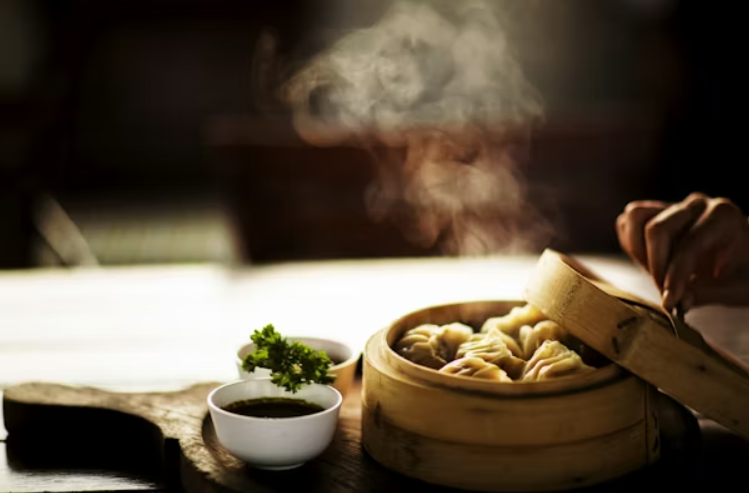
Gyoza are one of the most loved small plates in Japanese cooking. These thin-skinned dumplings came to Japan from China, where a similar dumpling is called jiaozi. Over time, Japanese cooks made the style their own, with thinner wrappers, a crisp golden base and a lighter, garlic-forward filling.
Classic gyoza are pan-fried and steamed in the same pan. The cook first browns the bottoms in a little oil, and then water goes in and a lid goes on, so the steam cooks the filling and softens the top of the wrapper. When the water cooks off, the bottoms crisp up again. This method is often called “potsticker” style, and it gives each dumpling two textures in one bite.
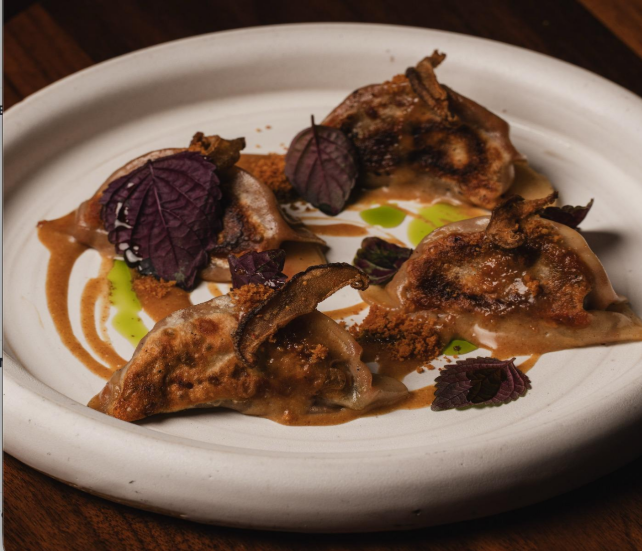
Traditional fillings use ground pork, cabbage, garlic, ginger and scallion. Many restaurants now use richer fillings, and wagyu gyoza have become one of the most popular upgrades. Wagyu has fine marbling, so the filling in wagyu gyoza stays juicy and full of flavor even after the dumplings are seared. Mushrooms such as shiitake add an earthy, savory note that pairs well with beef.
The dipping sauce matters too. Many gyoza come with a mix of soy sauce and rice vinegar, sometimes with chili oil. Ponzu is another common choice, since this citrus-based soy sauce adds brightness and cuts through the richness of the filling.
Gyoza are made for sharing, which is why they often appear on small-plates menus. A single order can be passed around the table while the next dishes arrive.
In downtown St. Petersburg, Fortu serves wagyu gyoza with shiitake mushroom and a brown butter ponzu. The Japanese-inspired restaurant builds its menu around shared plates, so the gyoza fit right into a meal for two or a larger group.